EF Gap Year Environmental Impact: What I Learned About Conservation Across Australia, Thailand & Japan
Updated: Aug 30

I went on EF Gap Year’s Voyager program through Australia, Thailand, and Japan, and I paid attention to one thing the entire time: the environmental story underneath the itinerary—reef health, conservation work, sustainable living, and the ethics of wildlife tourism.
These are my WattSherpa field notes: what we did, what it taught me, and what I’m bringing into how I think about climate, ecosystems, and sustainable travel.
Why this trip matters for sustainability (not just “cool nature”)
It’s easy to treat “the environment” like a vibe. But once you’re in the water over a reef, walking through mangroves, or learning what ethical wildlife tourism actually means, sustainability becomes concrete:
Ecosystems are infrastructure (coastal protection, fisheries, clean water, carbon storage)
Tourism choices can protect or exploit (especially with wildlife)
“Sustainable living” is systems thinking (food, land, design, transport)
Australia: Reef science + rainforest conservation (Great Barrier Reef & Daintree)
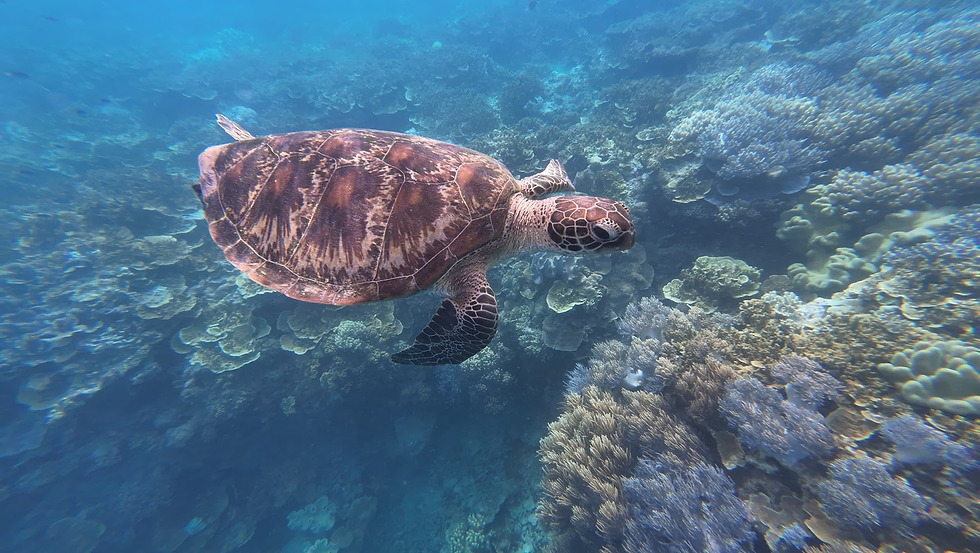
1) Great Barrier Reef: learning from a marine biologist
Snorkeling the Great Barrier Reef with scientific context flips the experience from “pretty fish” to “living indicators”:
coral structure and stress signals
biodiversity as a sign of resilience
how warming + pollution compound over time
WattSherpa takeaway: reefs aren’t just tourism icons—they’re biodiversity hubs and coastal defenders.
2) Daintree + Mossman Gorge: conservation + Indigenous stewardship
Seeing rainforest conservation alongside Indigenous communities is a reminder that sustainability isn’t only technology—it’s also knowledge systems, stewardship, and long time horizons.
Thailand: hands-on conservation (mangroves, reefs, dugongs) + ethical elephants

Thailand is where the program felt most “environmental” in the doing-not-just-reading sense.
1) Sustainable living and permaculture workshop
Permaculture was one of the clearest frameworks I’ve seen for sustainability: design your inputs/outputs so the system can keep going.
What stuck with me:
build soil health instead of burning it out
work with local ecology instead of fighting it
think in cycles, not one-off fixes
2) Coral reef restoration + coastal ecosystem protection
In Krabi, the conservation work connects in a way that’s super WattSherpa-coded:
Coral reefs support biodiversity and protect coastlines
Mangroves stabilize shorelines and store large amounts of carbon
Dugongs are tied to seagrass health (an ecosystem “signal”)
WattSherpa takeaway: coastal ecosystems are climate adaptation + mitigation at once.
3) Ethical elephant tourism (Following Giants)
Elephants are where sustainability and ethics collide. This trip made it simple: you can’t call a trip “eco” if it supports exploitative wildlife tourism.
A quick ethical checklist I now use:
no riding, no performance shows
prioritize habitat + welfare over “close interactions”
look for transparency on care standards and partnerships
Japan: sustainability can be quiet (and built into daily life)
Japan wasn’t framed as “conservation volunteering” the same way Thailand was—but it reinforced something important: infrastructure shapes behavior.
When cities are walkable and transit is reliable, “sustainable choices” stop feeling like effort. They become default.
WattSherpa takeaway: urban design is climate policy you live inside.


Comments